
The following is a statement from Climate Civics Executive Director Joe Robertson.
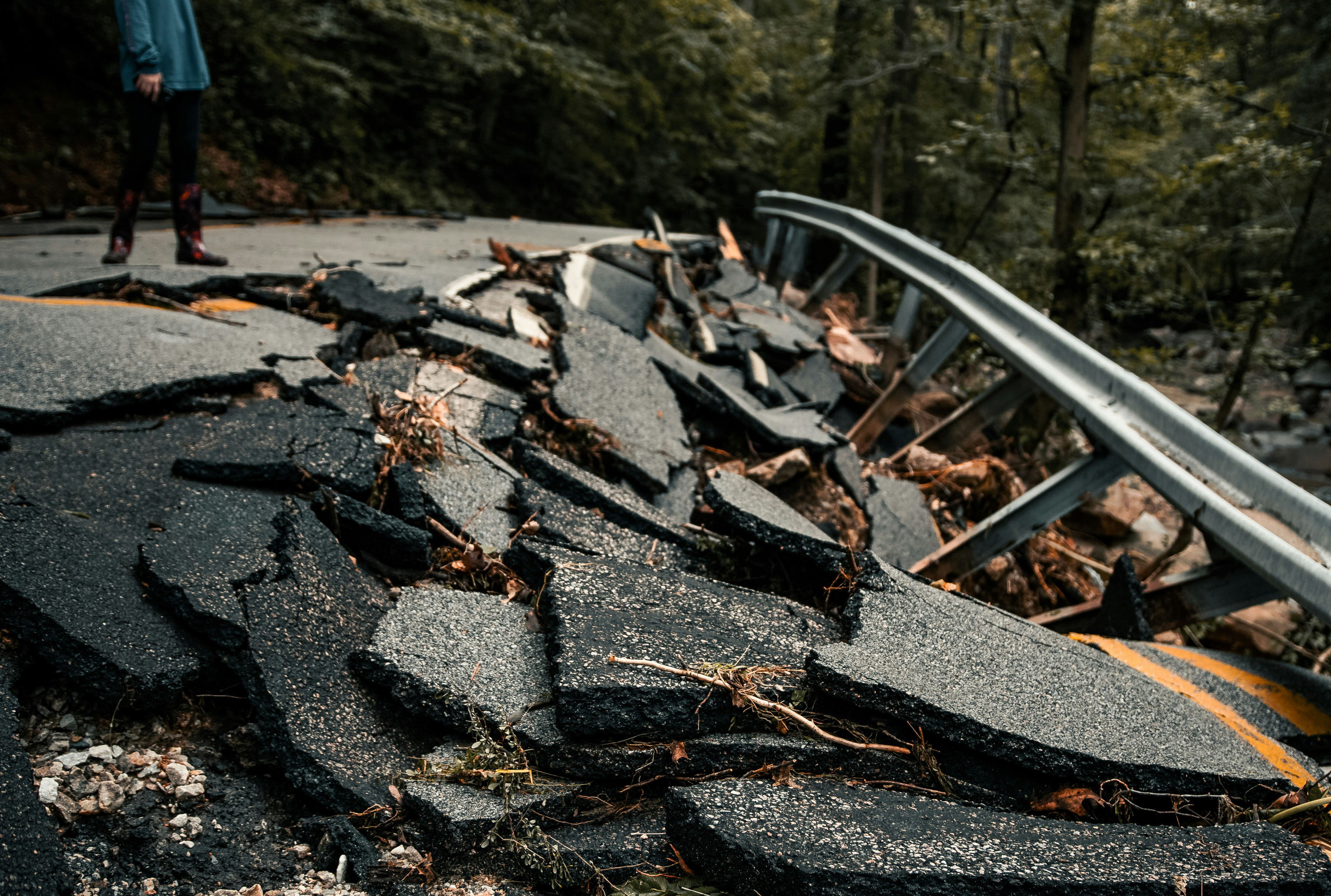
The climate system is a planet-wide fabric of energy exchange. The climate provides stable conditions for life in all regions, allowing ecosystems to adapt to conditions over time, and providing for abundant fresh water and growing conditions for successful agriculture. Stable climate conditions also allow for the building of cities and infrastructure that can endure and create value for many generations. An unstable climate cannot provide these foundational values and will erode the ability of even the wealthiest economies to function.
The estimated costs of climate disruption range from hundreds of billions per year to tens of trillions per decade. A 2022 report found that without successful action to prevent climate disruption and its impacts, the world will spend or lose $178 trillion by the year 2070. A 2024 report finds just the impacts moving through food systems have already cost the world more than $134 trillion since 2016.
During Mr. Trump’s first term, the Commodity Futures Trading Commission found that unchecked climate disruption would collapse the financial system and undermine its ability to support the wider economy. The Financial Stability Oversight Council issued similar findings the following year, noting:
Transition and physical risks associated with climate change will affect households, communities, businesses, and governments—damaging property, impeding business activity, impacting income, and altering the value of assets and liabilities…
In other words, failure to stop climate disruption from getting worse will cause critical industries to fail, including many of the mainstay financial institutions on which the everyday economy is based.
Undermining the Paris Agreement will likely cost the United States more than any single decision in history.
Mr. Trump prides himself on having a bold vision for enforcing US interests through trade relations. This will become far more difficult, if not impossible, as food supplies are strained, and nations around the world begin to shut down exports. The result will be food price spikes at levels not seen since the Great Depression, and the breakdown of supply chains for everything from grain and fuel to rare-earth minerals needed for advanced information technologies. Even today’s tech giants and affordable, scalable clean energy systems could become non-viable in this scenario.
Such a trade war is not one even the most astute negotiator can win, because all nations would be facing existential pressures that would overwhelm any incentive to cave to negotiating pressures, whether of the carrot or the stick variety.
The people of the United States need a strong national climate crisis response, and it needs to be bolstered by far-reaching international cooperation. It is in the everyday material interest of the people of the United States that this cooperative problem-solving effort be led by their government, working to protect them from the cost, waste, and mayhem that will ensue from the breakdown of geophysical conditions conducive to safety and prosperity.
With all that is at stake—given the unpreparedness of today’s mightiest industries for out-of-control climate disruption and the breakdown of supply chains and financial holdings—the Paris Agreement holds the promise of contributing the single greatest expansion of wealth, security, and prosperity, of any international agreement to date.
Mr. Trump has an opportunity to build a legacy on the foundation of that much larger pool of wealth and opportunity, and to be remembered for strengthening America’s position in the world. He can only do that by improving US leadership on climate crisis response. This is not the time for giving away leverage; it is time for a bold vision of all-of-society climate leadership.