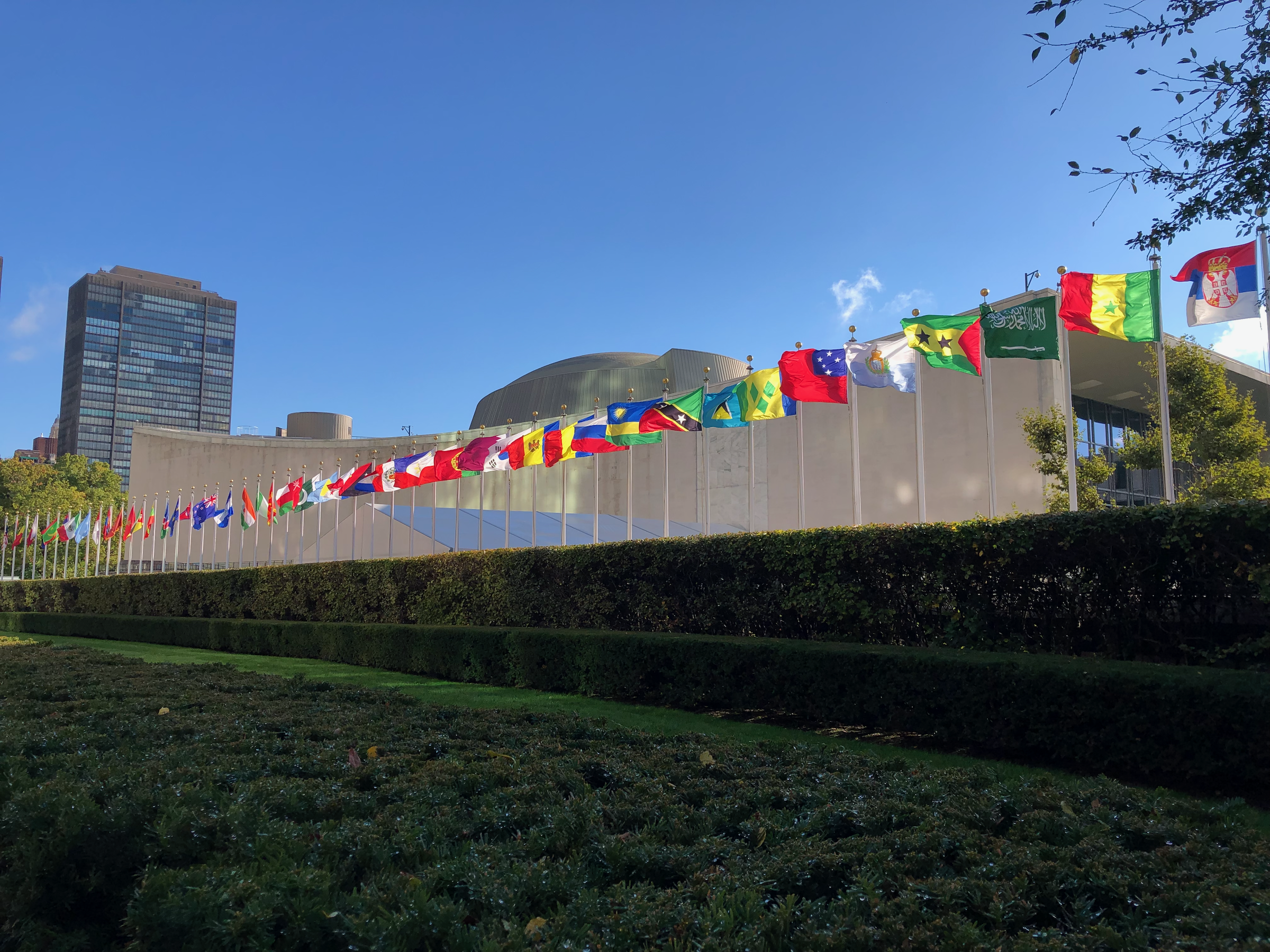

Together for a better future
Climate Civics International is focused on the cooperative work of securing a better future for people and nature. Our Diplomacy goal is to enhance multilateral cooperation, with the aim of involving more voices and better translations of science and evidence, to align geopolitical priorities with the urgent need to transform industries and economies to support climate-resilient development.
Our UNFCCC Delegation
During the mid-year and annual UN Climate Change negotiations, our team holds hundreds of bilateral meetings, helps connect stakeholders to negotiators, minsters, and heads of state, and manages a digital platform for remote engagement.
We advocate for the PARIS Principles of constructive multilateral climate cooperation and support deep, ongoing civic engagement. Through the Climate Value Exchange, we track areas of technical and political progress relating to climate-resilient development, and publish briefing notes and dispatches from the UN Climate Change negotiations and related convenings.
Follow events at the COP30
Climate Civics and the Climate Value Exchange are emphasizing the need for an activated Zero Harm goal for reducing threats to human and planetary health.
Worsening climate-related risks, disruptions, and costs will not abate on their own. COP30 can create conditions for real climate security and enduring prosperity, if it sets in motion coordinated, multidimensional cooperation, across sectors and regions.
Action for Climate Empowerment
Action for Climate Empowerment (ACE) is the civic engagement and public information agenda within the UNFCCC process.
CCI is a leading voice for non-Party stakeholders and for climate action leadership outside of government. To support stakeholders having a voice in high-level policy, we developed the Engage4Climate Toolkit to allow stakeholders anywhere to organize structured meetings and deliver policy guidance to decision-makers.
The Climate Value Exchange
The Climate Value Exchange is a network of networks, co-founded and coordinated by CCI, aimed at supporting leaders, institutions, and non-governmental stakeholders in establishing multidimensional multilateral climate crisis response.
The breakdown in natural background climate value is leading to a breakdown in the integrity and reliability of human systems. This is already costing lives and destabilizing nation states. Non-market climate cooperation is an opportunity to get on the right side of this unprecedented challenge.
Interparliamentary Exchange
CCI hosted an Interparliamentary Exchange on Climate Value Incentives and Implementation, in Washington, DC, June 9-12, alongside the Citizens’ Climate Summer Conference.
Lawmakers and climate advisors from Nigeria and Ghana met to share experiences and highlight opportunities for building climate value together through Enhanced Multilateral Cooperation, Good Food Finance, the Capital to Communitiesparticipatory climate finance design strategy, and Climate Income to support inclusive climate-resilient development.
Earth Diplomacy Leadership Initiative
CCI co-coordinates the Earth Diplomacy Leadership Workshops with The Fletcher School of Law and Diplomacy at Tufts University.
The workshops prepare participants and observers to navigate the complex negotiating process, to parse coded language, read between the lines, and engage effectively toward constructive cooperative outcomes.
Embracing Complexity, Sharing Insight
We recognize that to ensure the most effective engagement in multilateral policy-making, in the face of climate emergency and while working toward 17 Sustainable Development Goals—which the member states of the United Nations General Assembly agreed in 2015 are the rightful expectation of all people—we must embrace complexity.
- The annual UN Climate Change negotiating process is, by its nature and due to the complexity of the intersecting areas of the agenda, an evolving landscape of emerging possibility.
- Even as rules and goals are being set, the overall process is intended to welcome new and additional insight and resources, year to year, and is always intended to be grounded in the action nation states are taking to foster climate resilience and reduce the overall global threat of dangerous climate change.
- While an annual consensus agreement may not include a global mandate for all nations to act on our own top priorities, success can be achieved by ensuring vital concepts, avenues of action, and opportunities for future leadership are anchored in the agreed language.
The future of intergovernmental policy-making must be multidisciplinary, multilevel, and inclusive. This is why we have initiated the Earth Diplomacy Leadership Initiative, together with The Fletcher School, and the Climate Value Exchange, to ensure high-level policy is based on insights rooted in human experience, aspiration, and wellbeing, and that cooperative approaches are multidimensional and build value for all of society.
Blue Notes
If you want to dive into CCI policy briefs and submissions to formal policy processes, read our Blue Notes.
CCI Blue Notes include insights on how trade can deliver a climate-smart future, including through Article 6.8 non-market approaches, international financial reform, stakeholder inclusion to drive ambition, and the Capital to Communities approach to climate finance design and deployment. Read about the Right to Resilience and how to mainstream climate action.

In 2025, Climate Civics and the Climate Value Exchange have launched a new convening and insight-sharing project, the Resilient Prosperity Forum—to examine themes ranging from vulnerability and risk reduction to climate banking innovation, access to information and the effects of artificial intelligence technologies on economies and societies, and cooperative strategies for climate-resilient development.