
Category: Food Systems
-

Co-investment innovation for a healthy food future
Food systems, as they operate today, are not operationally structured to meet the food security and planetary health needs of a growing global population. Climate disruption is eroding productive capacity and degrading natural systems, while industrial food production is a major contributor to climate disruption. The cycle is dangerous, easy to see, very costly, and…
-

Food cost pressure must drive sustainable transformation
A sudden rise in food prices can create destabilizing political and economic shockwaves. Food prices were the spark that set off the mass protest movements across North Africa and the Middle East in 2010 and 2011, and food prices were a major factor in the 2024 elections in the United States. Increasingly, governments and industry…
-

CCI joins urgent call for Nutrition Security Moonshot
In an open letter signed by 153 winners of the Nobel Prize and World Food Prize, the signatories warned that the world was “not even close” to meeting future food needs, with an estimated 700 million people going hungry today and an additional 1.5 billion people to feed by 2050. The letter predicted humanity faced an “even…
-
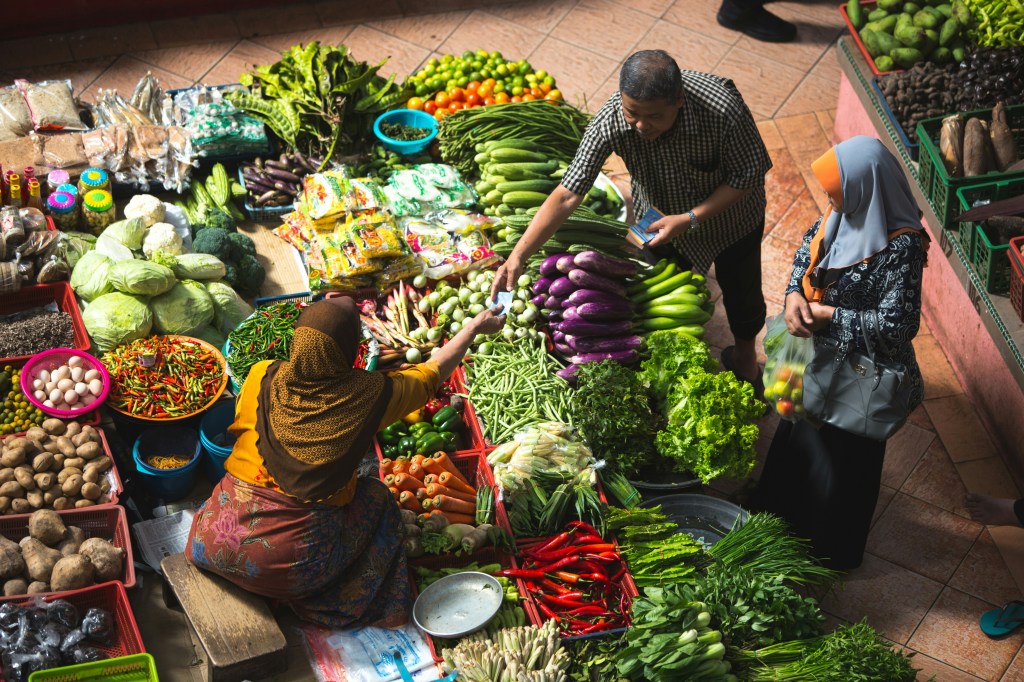
City Food Finance Principles to Build Climate Value
Cities are increasingly important in the work of shaping human access to health and wellbeing. As more of the world’s population moves to cities, decisions that determine whether air and water are clean and safe, and how food is acquired and distributed in local economies, may determine how long people live and how free they…
-

Agrifood Finance & Enabling Policies to Drive Climate Action – COP29 Event Report
Work on the global architecture of food systems finance, shared at the 2021 UN Food Systems Summit, identified investment needs of $350 billion per year for driving transformation. The losses we already incur as a result of ongoing unsustainable practices are staggering, and affect all nations. The Food System Economics Commission found in its landmark…